Your next steps into Great Lakes diving
The Great Lakes aren’t reserved for “hardcore” divers. But they do reward a certain kind of approach: steady progression, real practice, and diving with people who treat cold water and shipwrecks with respect.
Step 1: Build comfort and control
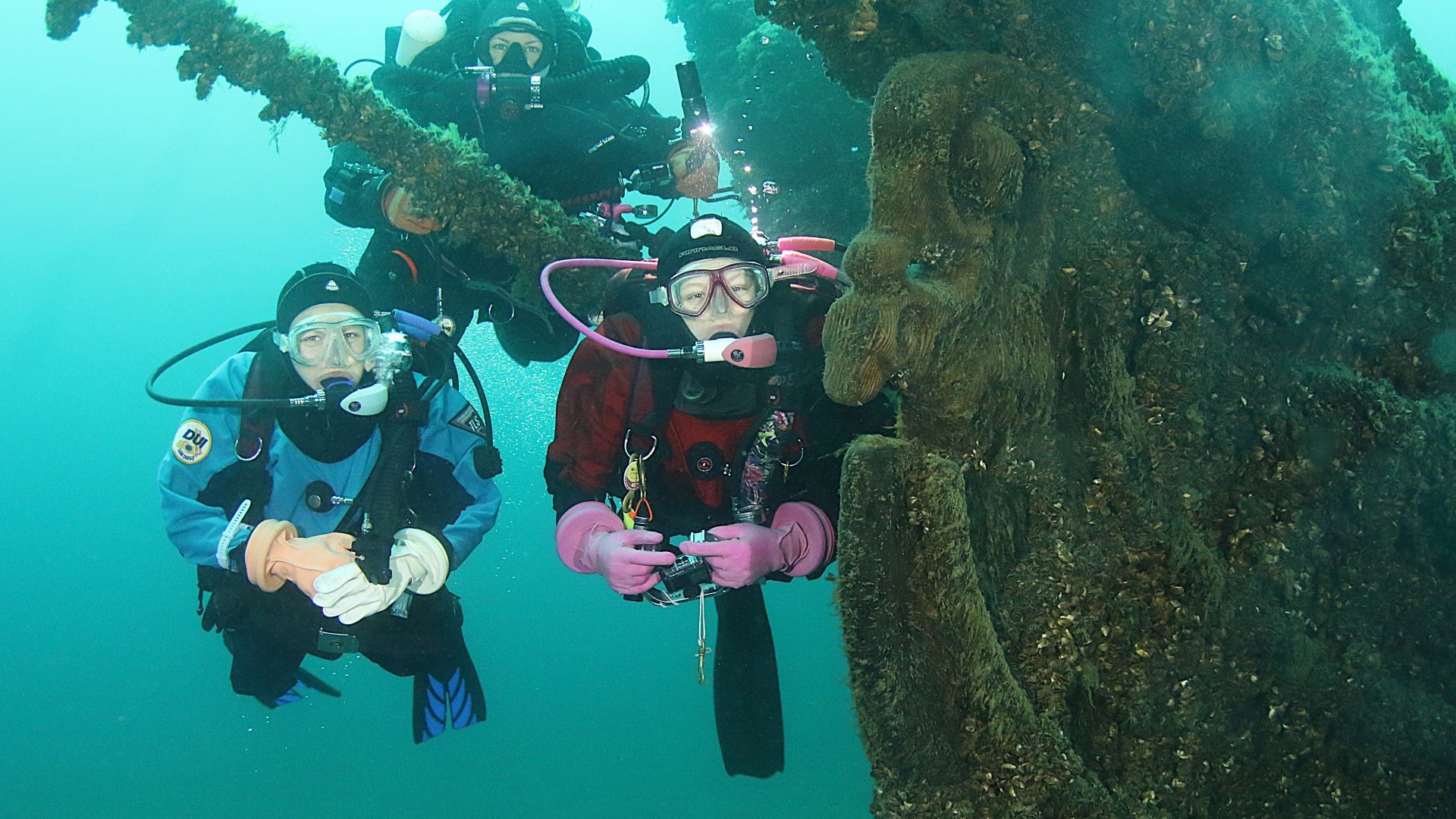
Great Lakes diving starts with fundamentals that hold up in cold water: buoyancy, trim, propulsion, and calm communication. Many divers build that consistency through regular local diving and structured continuing education.
Step 2: Solve exposure protection
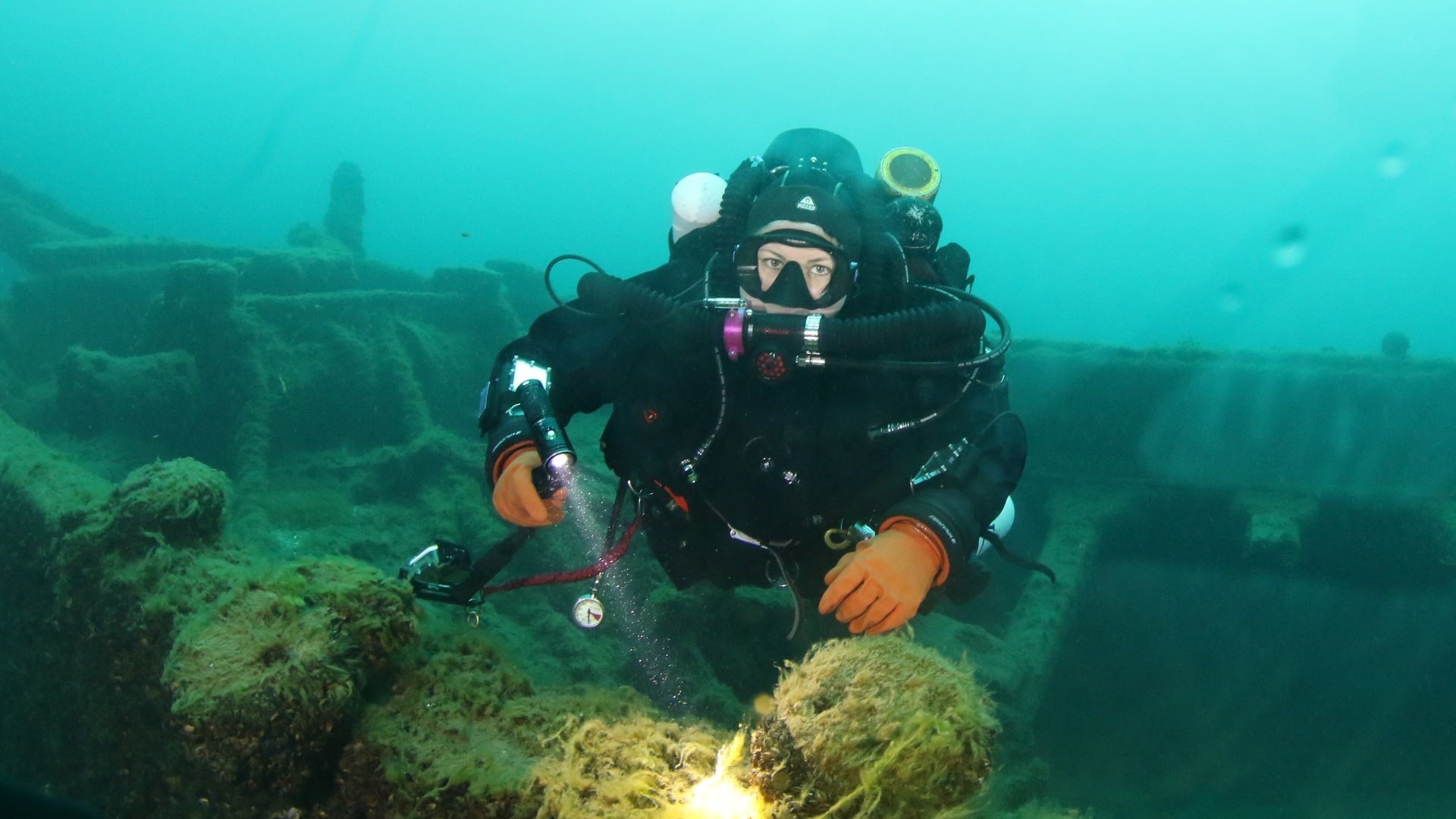
If you’re serious about shipwrecks, dry suit capability is one of the most practical upgrades you can make. Being warm enough to stay still is not optional on deeper Great Lakes dives.
Step 3: Layer in wreck skills
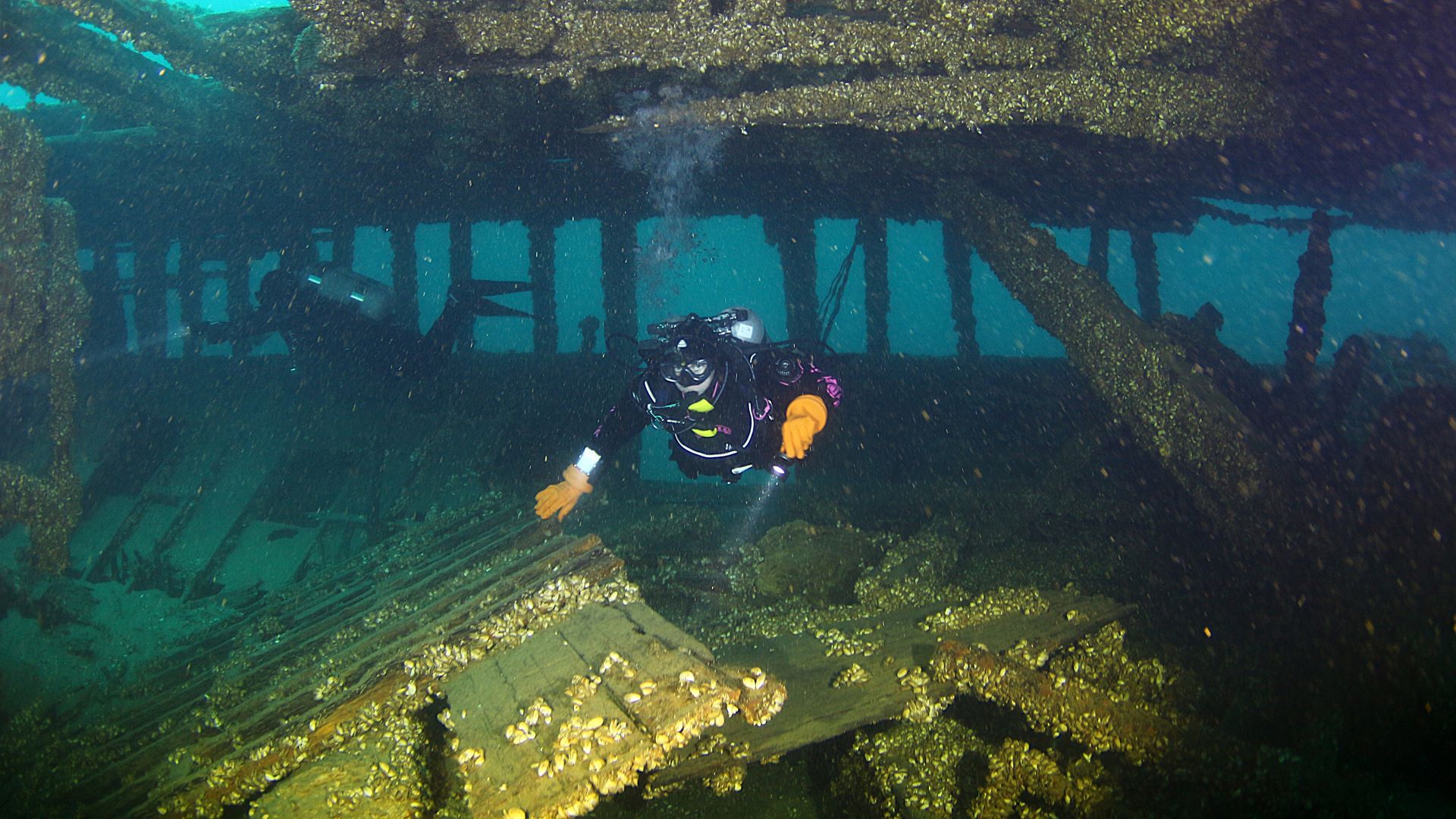
Wreck diving isn’t just “seeing a wreck.” It’s learning how to move around structure safely, manage lights and lines when needed, and make good decisions when conditions aren’t perfect.
Step 4: Choose trips that match your current skill, then grow
The best trips aren’t the deepest ones. They’re the ones that fit your current competence and help you build toward the dives you want next. Great Lakes diving is a long game. That’s what makes it so good.
Photos