Why Great Lakes diving is different
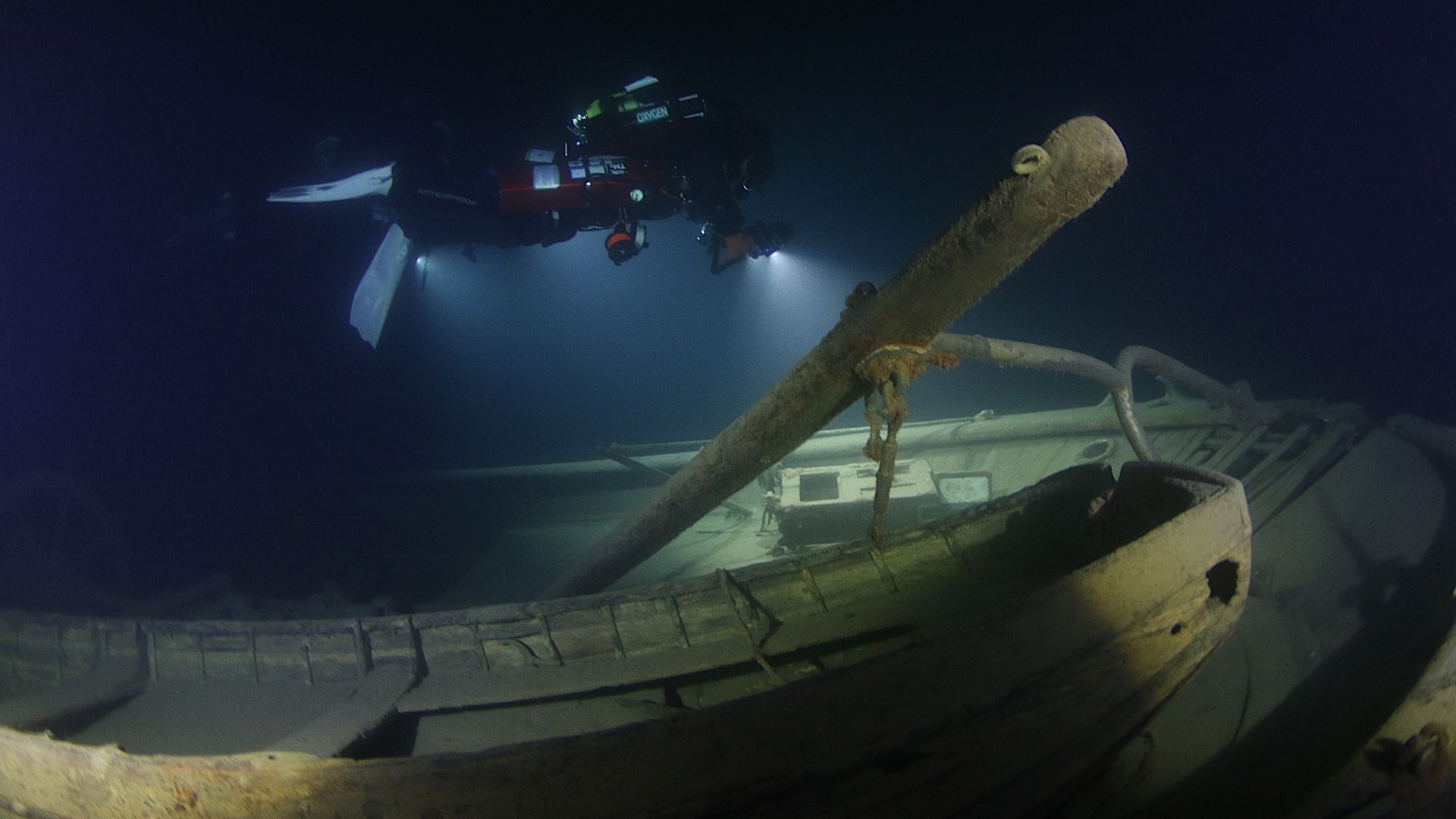
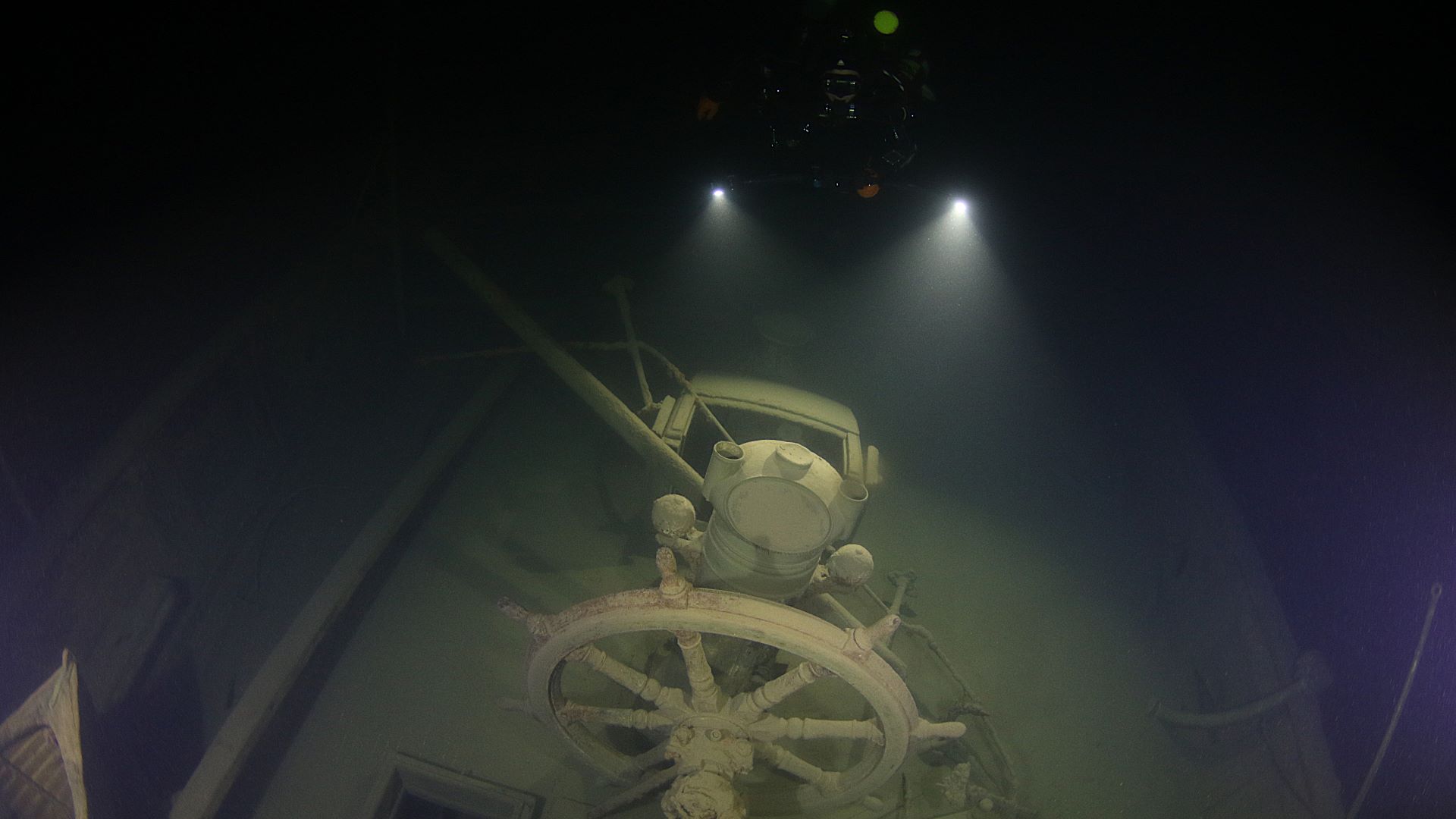
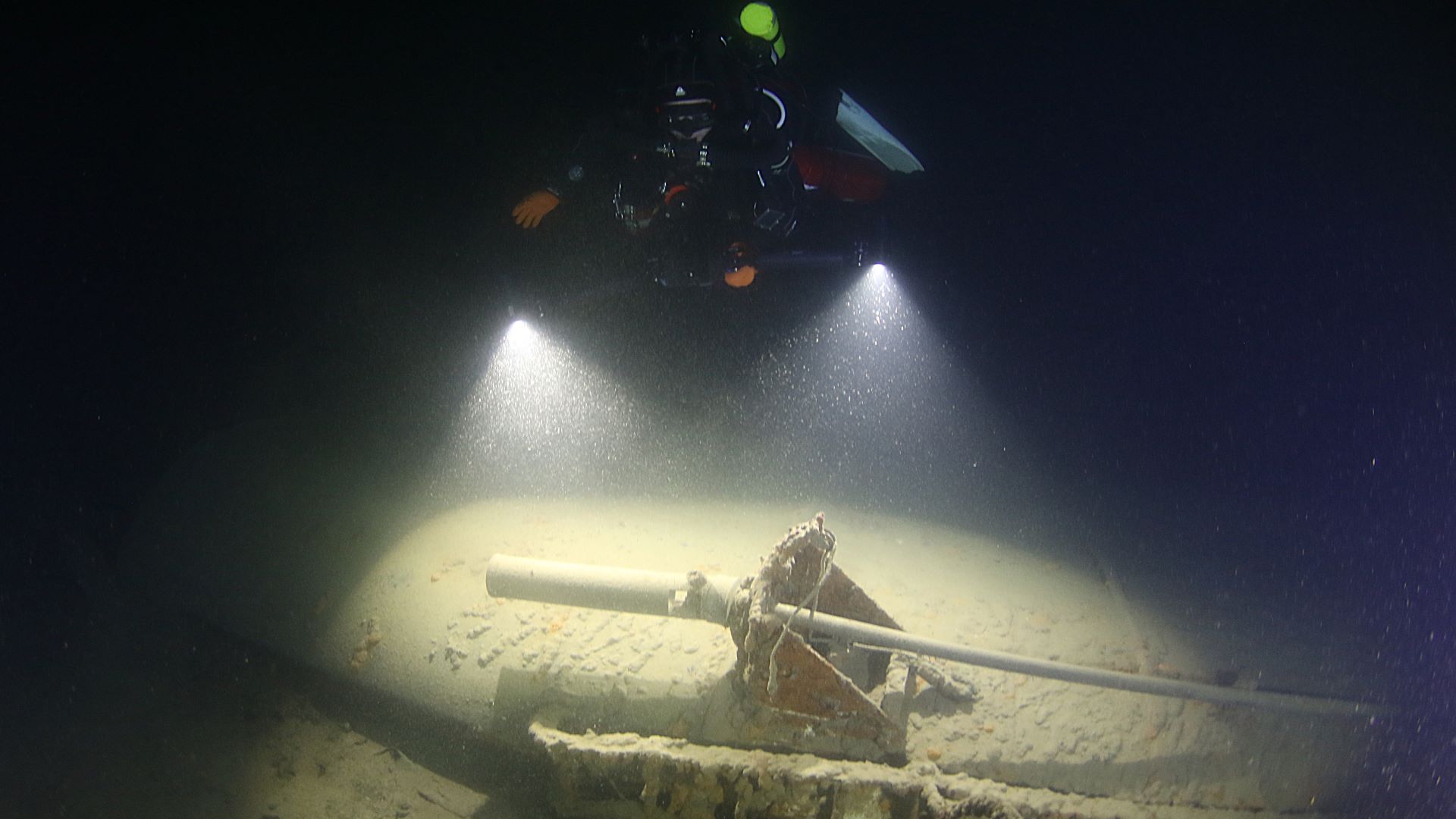
People talk about the Great Lakes like they’re a “cold-water version of ocean diving.” That’s close enough to get someone interested, but not close enough to prepare them. The lakes are their own environment: freshwater density, cold layers, sudden visibility changes, and a shipwreck culture built around patience and competence.
Freshwater changes buoyancy and feel
In freshwater, buoyancy characteristics shift compared to saltwater. The adjustment isn’t hard, but it matters because Great Lakes diving rewards calm, stable movement. A small buoyancy swing that feels harmless on a reef becomes a big deal when you’re hovering above timber, silt, or fragile structure.
Temperature isn’t just “cold” — it’s layered
Thermoclines can be sharp. A day that feels mild at the surface can be near-freezing at depth. This is why Great Lakes divers tend to treat exposure protection as life support. Dry suits aren’t a flex here. They’re a tool that lets you stay steady and safe when the dive gets real.
Visibility is personal: it changes with weather and location
Some days you’ll have “how is this possible” clarity. Other days you’ll be working in a narrower world. Visibility isn’t a deal-breaker; it’s a planning factor. Great Lakes divers learn to navigate, communicate, and make decisions without relying on perfect conditions.
Logistics are part of the dive
Boat diving, entries, surface conditions, and weather windows matter. The lakes teach timing. When divers talk about “earning” Great Lakes shipwrecks, they’re often talking about the discipline of planning and the humility to wait for the right day.
Photos