Why freshwater preserves Great Lakes shipwrecks
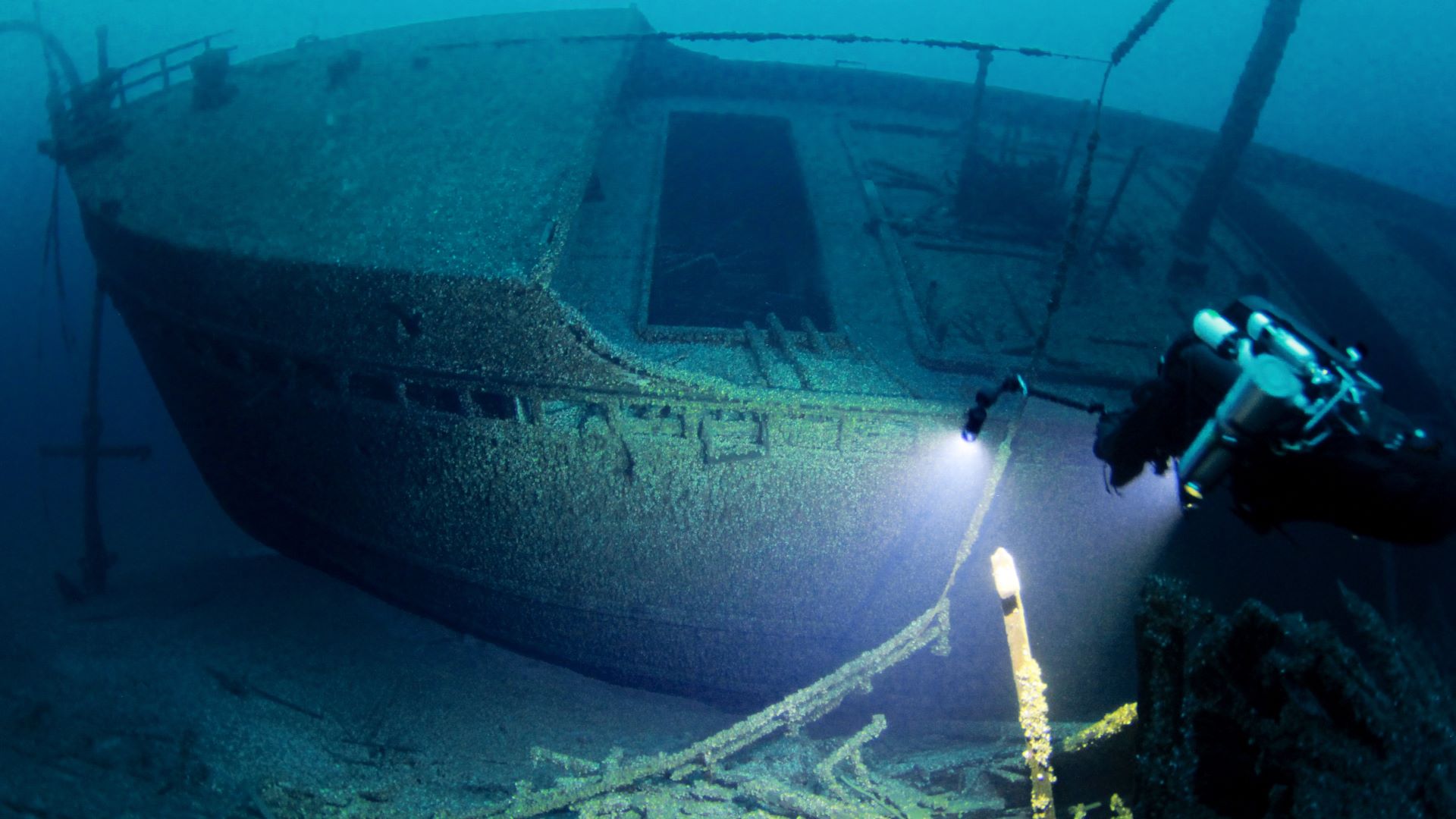
The Great Lakes aren’t just “full of shipwrecks.” The bigger story is that many wrecks are preserved in a way that feels impossible if your frame of reference is ocean diving. Cold freshwater slows decay and, in many areas, the biology that destroys wood in the sea simply isn’t present.
Cold + freshwater changes the timeline
Lower temperatures slow many forms of deterioration. Add freshwater conditions, and ship structure can remain recognizable for generations. This is why Great Lakes divers talk about wrecks with a kind of respect you can hear in their voice.
Preservation creates responsibility
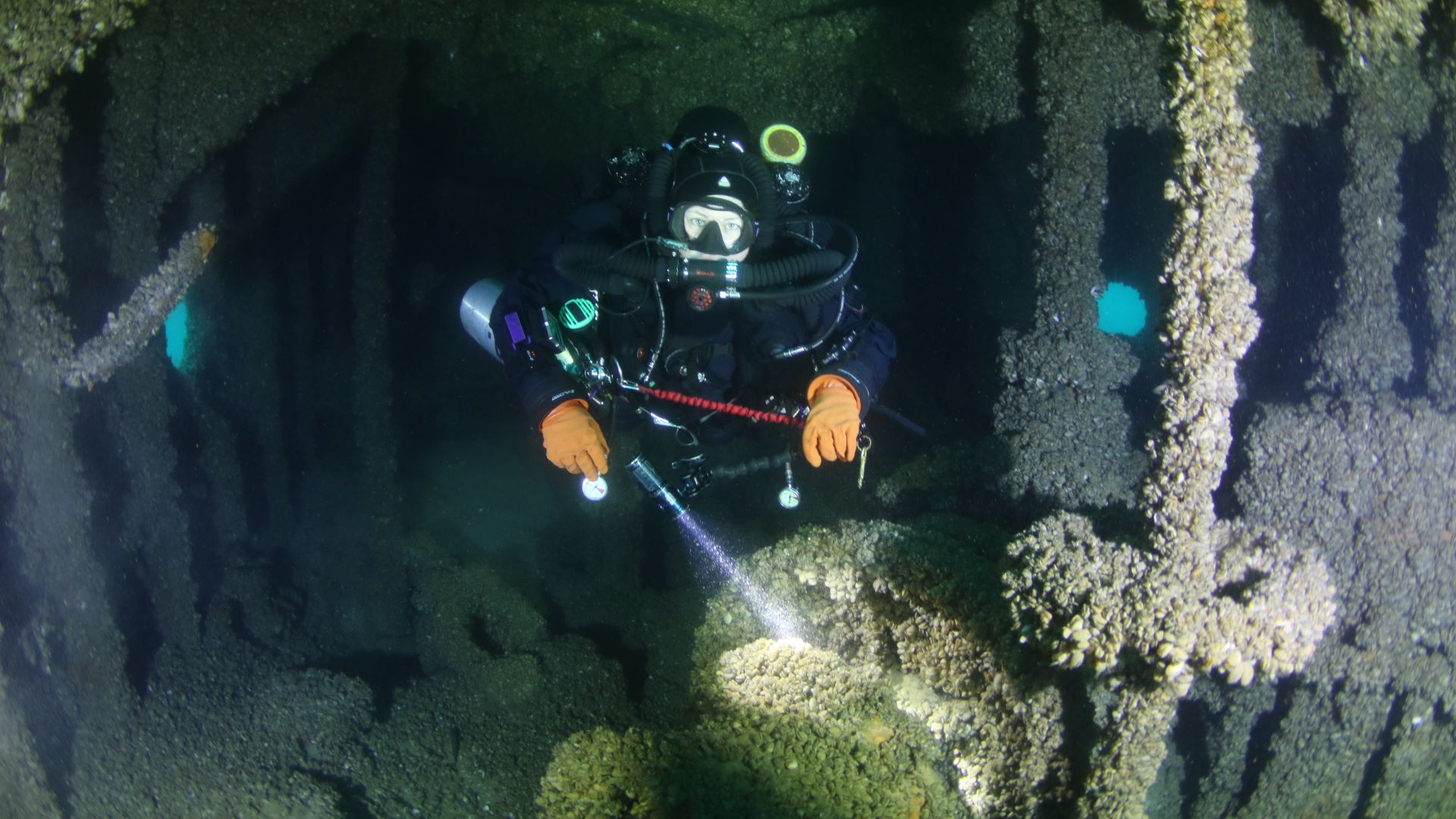
When a wreck is intact, it’s also fragile. Good Great Lakes diving is low-impact diving: stable buoyancy, careful finning, no grabbing, and smart light/line management.
Visibility is part of preservation and access
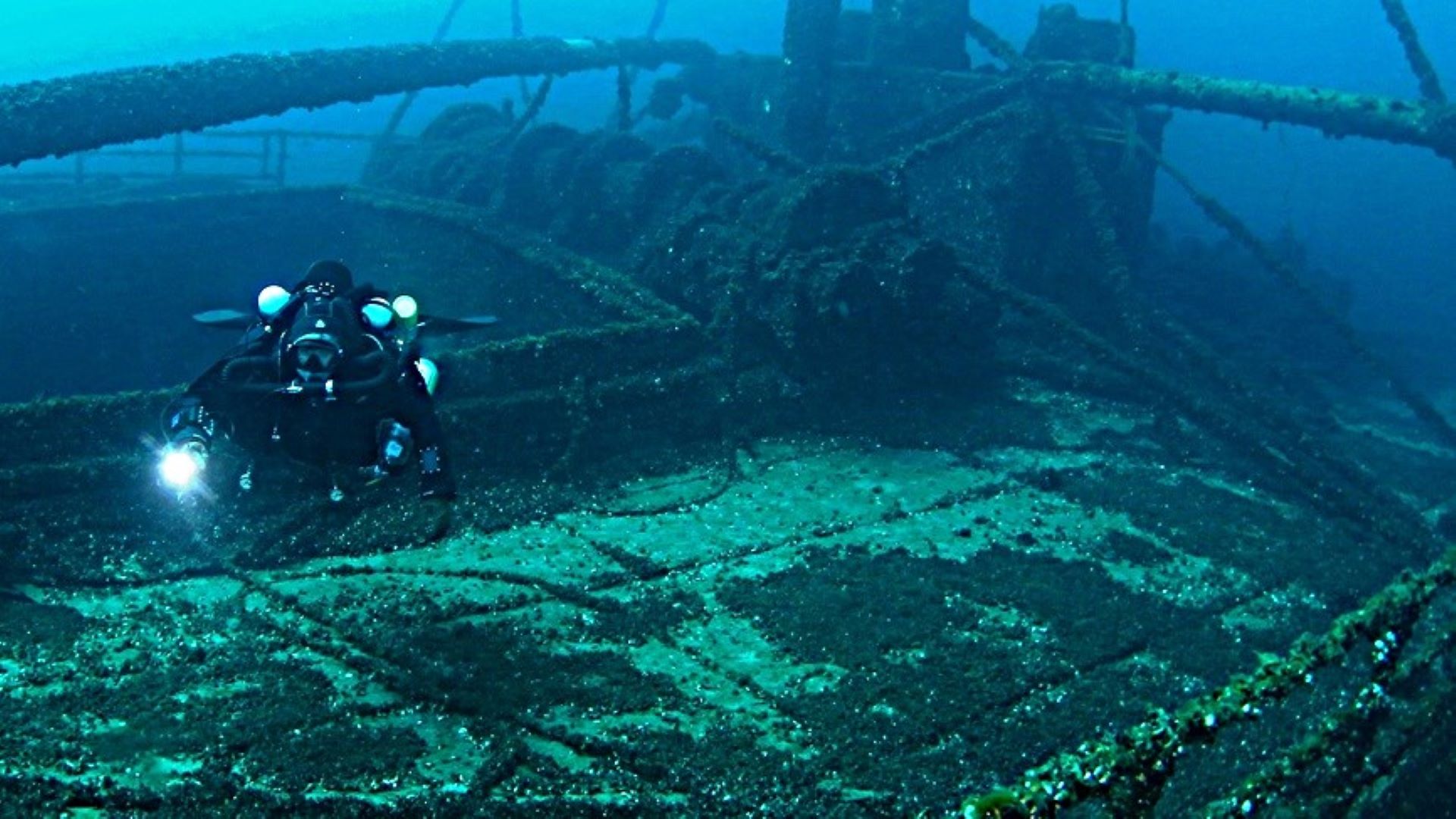
Many Great Lakes wreck dives reward patience. When conditions line up, you can have exceptional clarity and a wide, cinematic view of structure. When conditions don’t line up, divers rely on disciplined navigation and communication.
How divers explore without damaging what they came to see
- Dialed-in buoyancy and trim
- Propulsion that doesn’t turn the site into a snow globe
- Good lights (and knowing how to use them)
- Reels/lines where appropriate, and clean team procedures
Photos