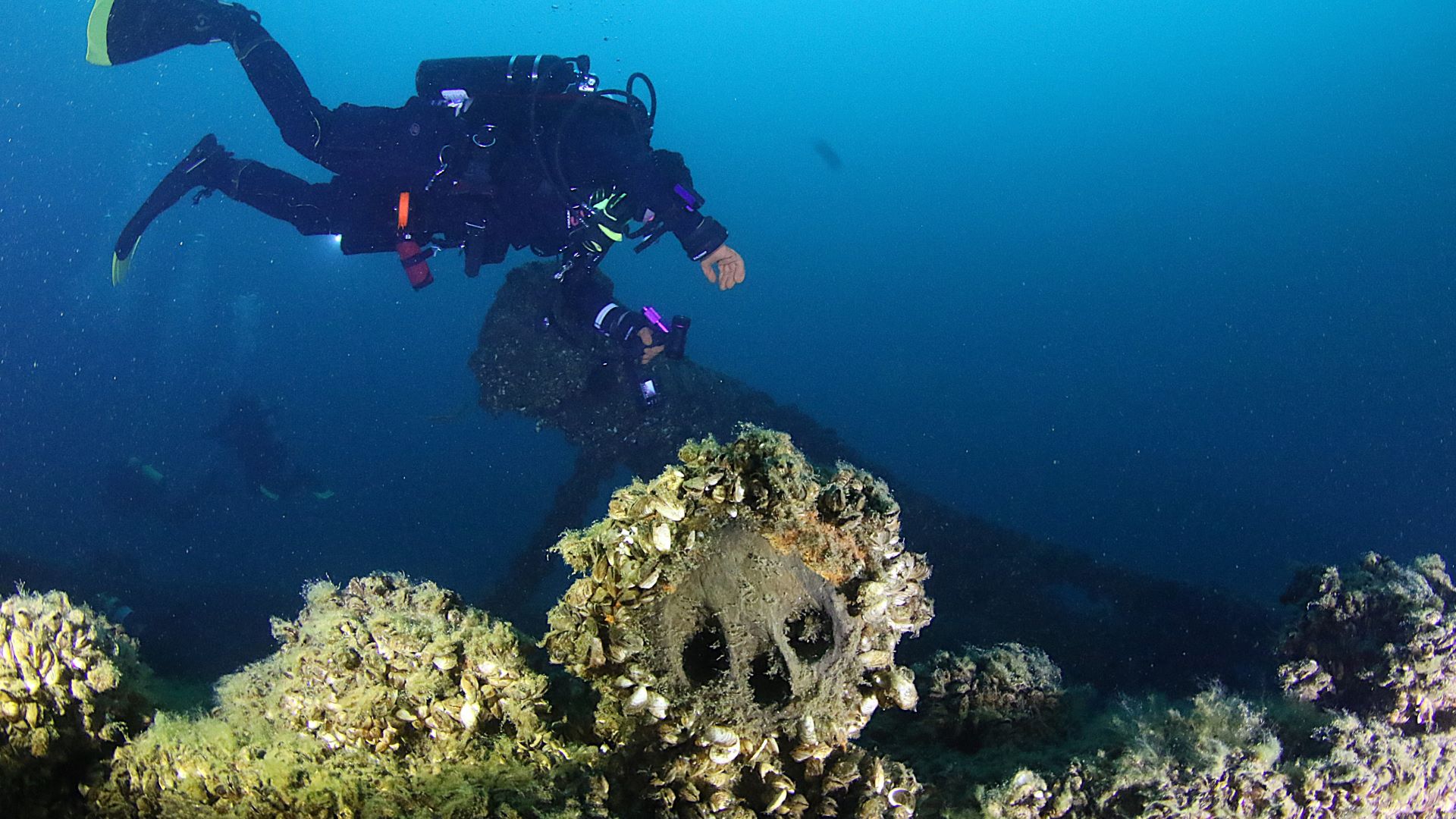
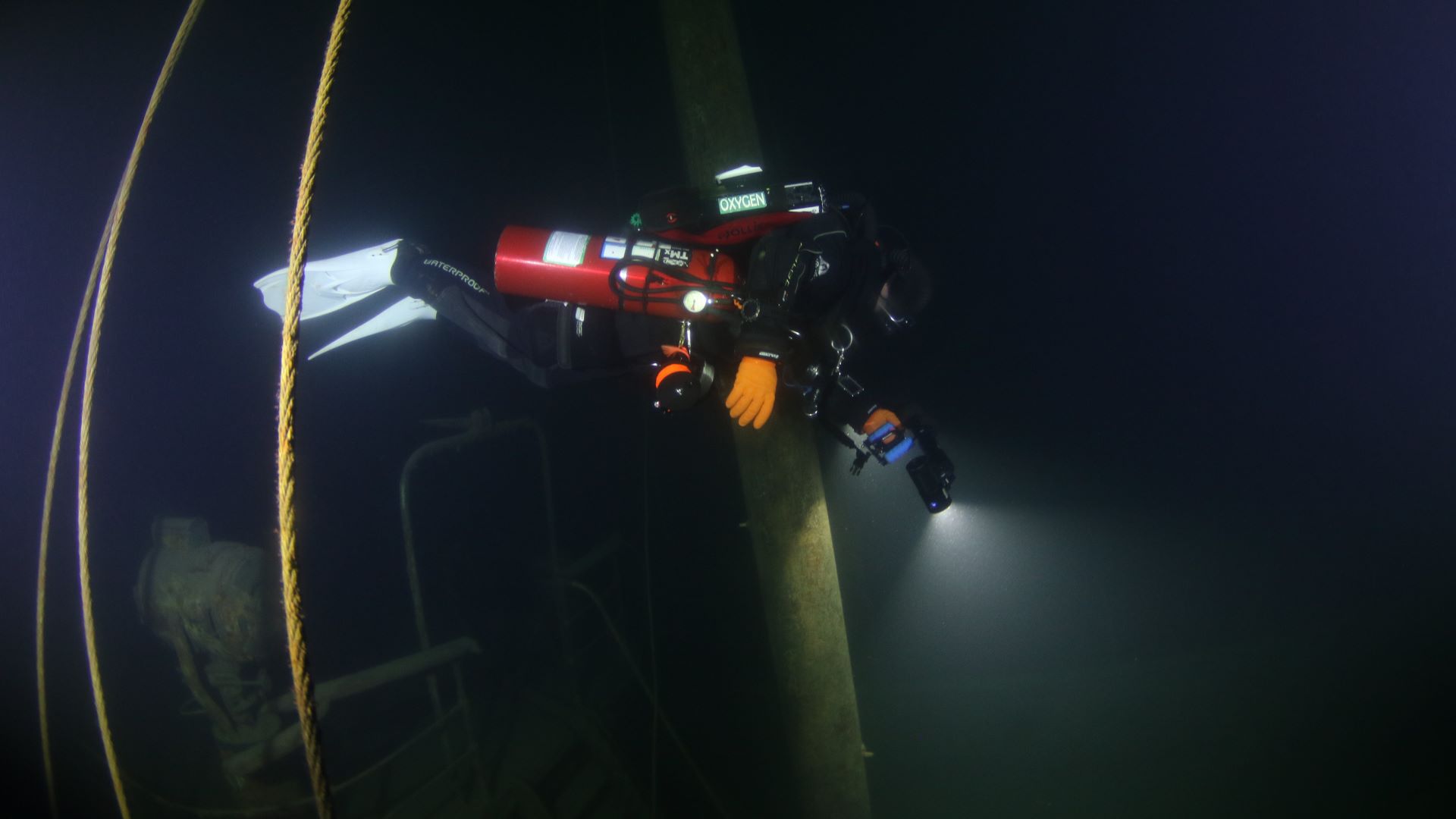
Freshwater shipwrecks. Quiet water. Serious preparation.
The Great Lakes are an inland sea with a shipwreck history that’s hard to explain until you’ve descended onto timber and iron that still look alive. This site is built as a practical guide: what makes the lakes different, what divers actually prepare for, and where the best exploration happens.
If you’re looking for training, trips, and a Great Lakes dive community, the operational hub behind this material is Divers Incorporated in Ann Arbor.
The five-page field guide
Why Great Lakes diving is different
Freshwater, temperature, visibility, and why the “feel” of the water changes how divers move and plan.
ReadWhy the wrecks are so well preserved
Cold freshwater changes everything. This is the foundation of Great Lakes shipwreck diving.
ReadPreparing for cold water and logistics
Exposure, buoyancy, reels/lights, and the reality of boats, waves, and weather windows.
ReadWhere to dive
A practical overview of each lake and the regions divers talk about most: Superior, Huron, Michigan, Erie, Ontario.
ReadNext steps
Training progression, how divers build competence, and links to courses/trips at Divers Incorporated.
GoPhoto Gallery
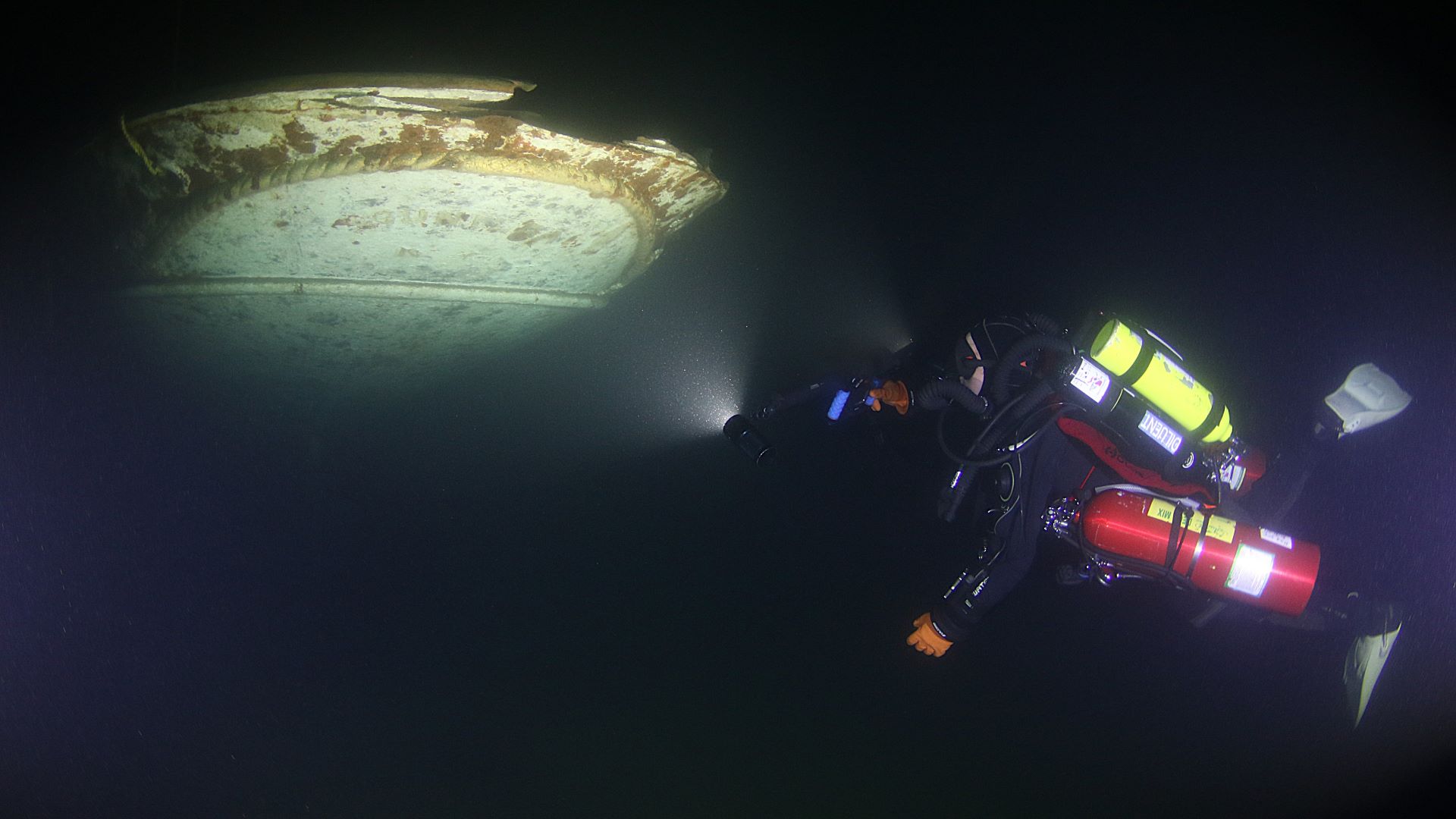
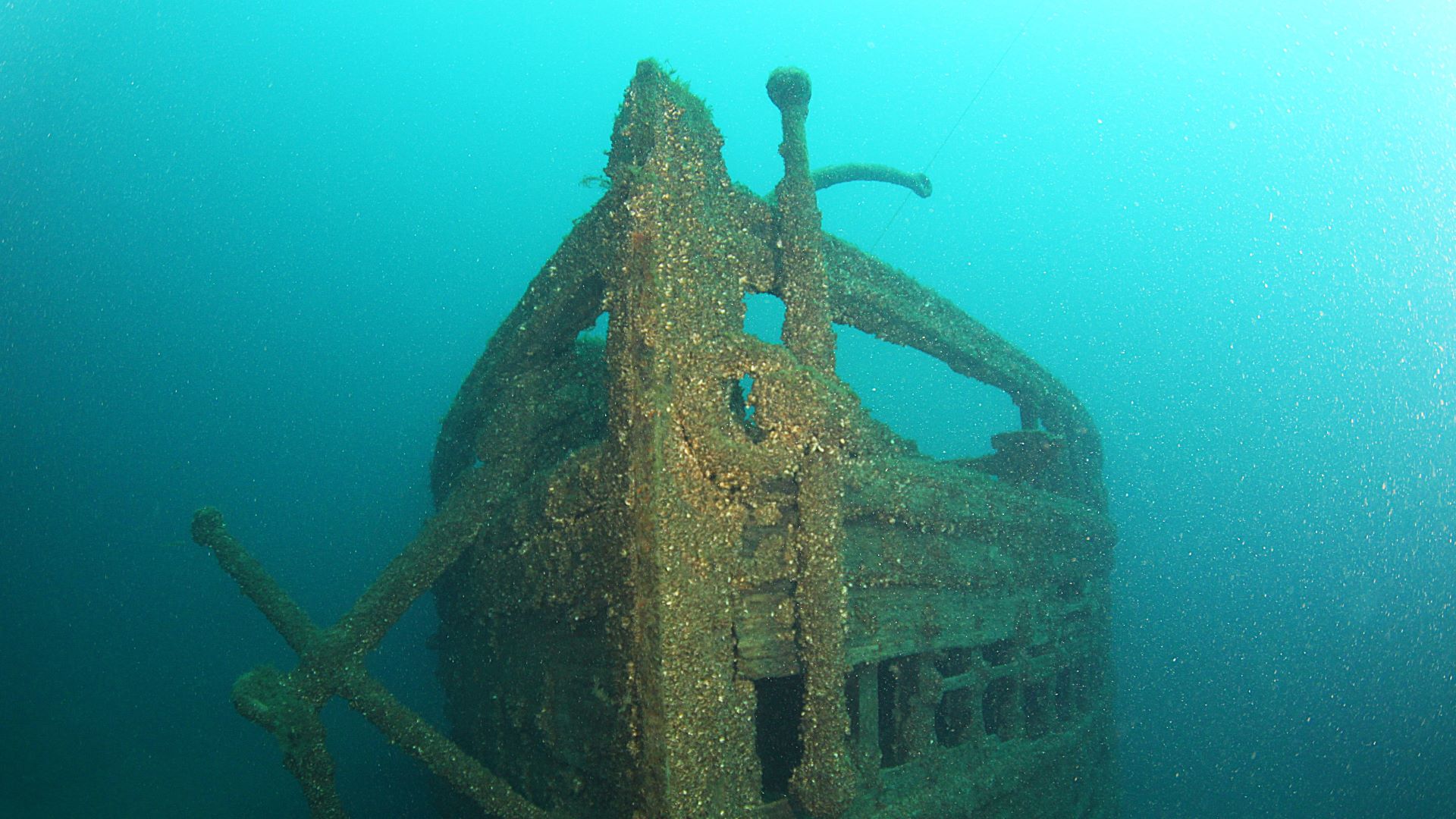
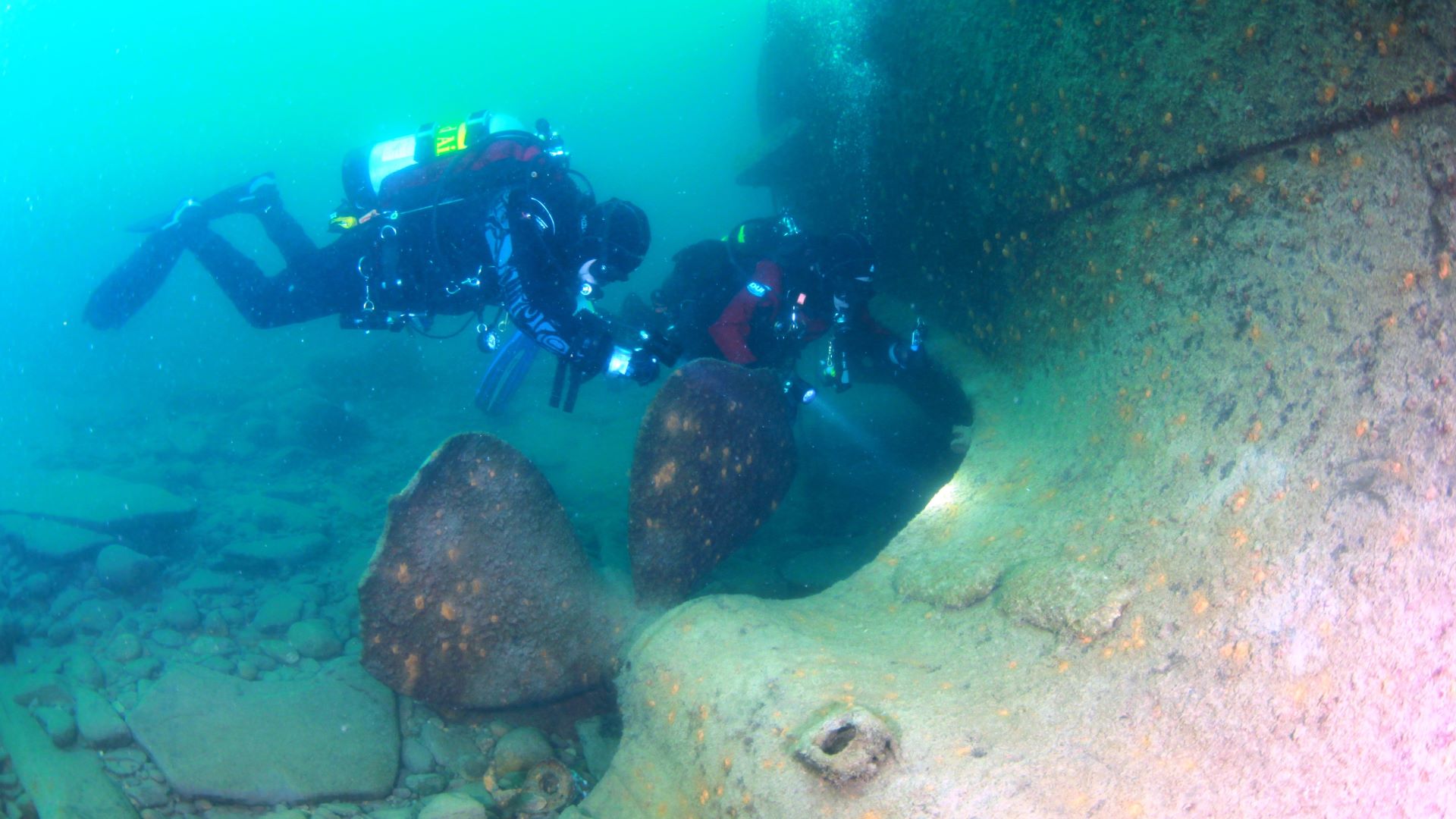
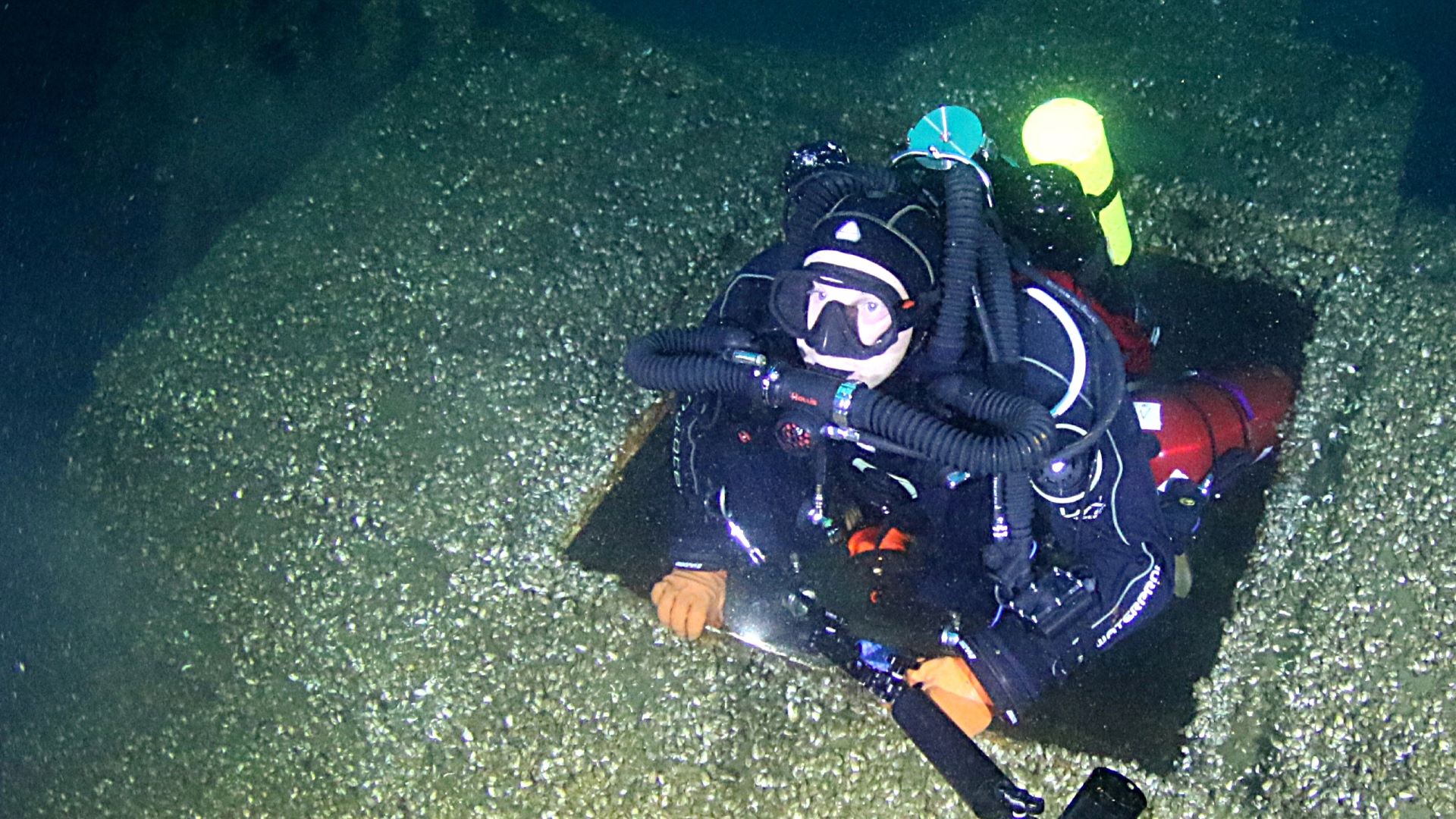
Every level of diver can enjoy shipwrecks in the Great Lakes